Article
Office Interior Design Ideas to Improve Productivity in the Workplace
Office Interior Design Ideas to Improve Productivity in the Workplace
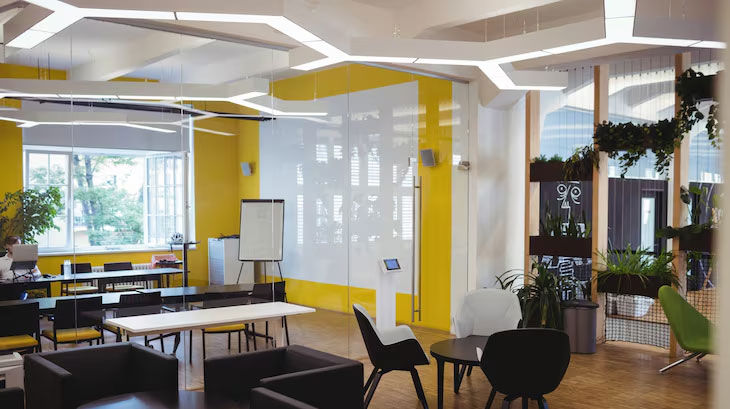
A well-designed office environment plays an important role in employee productivity, creativity, and overall job satisfaction. Modern businesses are focusing on office interior designs that not only look attractive but also support a healthy and efficient working environment. By implementing smart design ideas, companies can create workplaces that motivate employees and improve performance.
1. Maximize Natural Lighting
Natural light has a strong impact on employee well-being and productivity. Offices designed with large windows, glass partitions, and open layouts allow more sunlight to enter the workspace. Natural lighting helps reduce eye strain, improve mood, and create a more comfortable work environment.
2. Create Open and Collaborative Spaces
Open office layouts encourage communication and teamwork among employees. Adding collaborative zones, brainstorming areas, and informal meeting spaces allows team members to interact easily and share ideas, leading to better productivity and innovation.
3. Invest in Ergonomic Furniture
Comfortable and ergonomic furniture is essential for employee health and efficiency. Adjustable chairs, height-adjustable desks, and well-designed workstations help reduce fatigue and improve posture, allowing employees to focus better on their tasks.
4. Use Productivity-Boosting Colors
Color psychology plays an important role in office interior design. Neutral tones combined with energizing colors like blue, green, or yellow can improve concentration and creativity. Choosing the right color scheme can create a balanced and motivating workspace.
5. Incorporate Biophilic Design
Adding natural elements such as indoor plants, natural textures, and greenery can create a refreshing and calm workplace. Biophilic design helps reduce stress, improve air quality, and increase employee satisfaction.
6. Provide Quiet Work Zones
While open spaces encourage collaboration, employees also need quiet areas for focused work. Dedicated silent zones or small private workspaces help employees concentrate on tasks that require deep focus.
7. Integrate Smart Office Technology
Modern offices benefit from smart technologies such as automated lighting, wireless meeting systems, and digital collaboration tools. These technologies help improve workflow efficiency and make everyday tasks easier.
By combining smart layouts, comfortable furniture, natural elements, and modern technology, businesses can create productive and inspiring office environments that support employee performance and company growth.

GT Interiors has grown into a prestigious, top interior fit-out firm based in Abu Dhabi that has established its reputation on a focus on detail and a belief in the fact that things aren't the same.
That means we don't only create and design things to appear good and work efficiently, but also make sure that they have minimal impact on the surroundings.